At a glance
Curated lists:
This guide covers Mexico City, Oaxaca (city and coast), Puebla and Yucatán, with practical advice for international visitors at the end.
- Central classic (2 weeks): Mexico City, Puebla, Oaxaca City, Oaxaca coast.
- Central + Southeast (3 weeks): the above, then fly to Mérida.
- Short trip (7–9 days): Mexico City + Puebla, or Mexico City + Oaxaca City.
Airlines such as Volaris run direct flights between Oaxaca and Mérida on some days of the week; check current schedules.
Three rules to remember
- Travel light and leave valuables at home.
- Never start or escalate a confrontation; walk away.
- Use Uber or a car for longer hops; distances in Mexico City are big (40+ min between neighborhoods is normal).
Before you fly
Luggage
- Pack as little as possible; leave laptops and expensive electronics at home or in your carry-on.
- Photograph the contents of your checked bag right before handing it over, and keep a simple inventory.
- Use a TSA-approved lock.
- Leave out anything borderline (especially battery-powered items); it gives a reason to open your bag.
- Airport checklist: SmarterTravel
Safety
- Stay calm and avoid arguments; minor disputes can escalate in some areas.
- Prefer Uber or booked transport, especially at night and around Tlatelolco.
Mexico City
Start in Coyoacán for a gentle introduction, and don’t skip the Anthropology Museum. Each area is like its own small city, so plan one area per half-day.
- Coyoacán: walkable old town, market, Frida Kahlo Museum (book ahead, half a day), Trotsky Museum, Anahuacalli.
- Ciudad Universitaria (UNAM): huge murals, botanical garden with cacti and medicinal plants.
- Cuicuilco: round pyramid older than Teotihuacán, next to UNAM.
- Chapultepec: Anthropology Museum (must-see) and Chapultepec Castle; plan a full day.
- Centro Histórico: Zócalo, Cathedral, Templo Mayor, Palacio Nacional, Bellas Artes, Casa de los Azulejos, Calle Madero.
- Tlatelolco: Plaza de las Tres Culturas and the 1968 memorial; arrive and leave by Uber.
- Roma / Condesa: art déco streets, cafés and restaurants; safe for walking.
- Teotihuacán: the great pyramids; day trip by tour. Info
Also worth it: Xochimilco boat rides, Museo del Templo Mayor, the murals inside Palacio de Bellas Artes, lucha libre at Arena México, Mercado de Coyoacán for food, the Basilica of Guadalupe (on the way to Teotihuacán), and a sunrise hot-air balloon over Teotihuacán.
Oaxaca
Combine 2–4 beach days on the Pacific coast with about 6 days in Oaxaca City and the valleys. Since 2024 a new highway links Puerto Escondido and Oaxaca City in about 3 hours; from Huatulco the trip is longer. Bring cash: many places have no card reader, and taxi prices are negotiable.
The coast: Puerto Escondido or Huatulco
- Puerto Escondido: lively surf town; sunset at Punta Zicatela, turtle release camps, nearby Mazunte and Zipolite. About 3 h to Oaxaca City by shuttle.
- Huatulco: calmer bays; boat tour of the bays, Cacaluta Bay, hikes in the National Park. Longer trip to Oaxaca City, or a short flight.
Whales, dolphins and nesting turtles are seasonal; check what’s around for your dates. In Huatulco, La Crucecita is the base for the airport, bus station and restaurants.
Oaxaca City: a 6-day plan
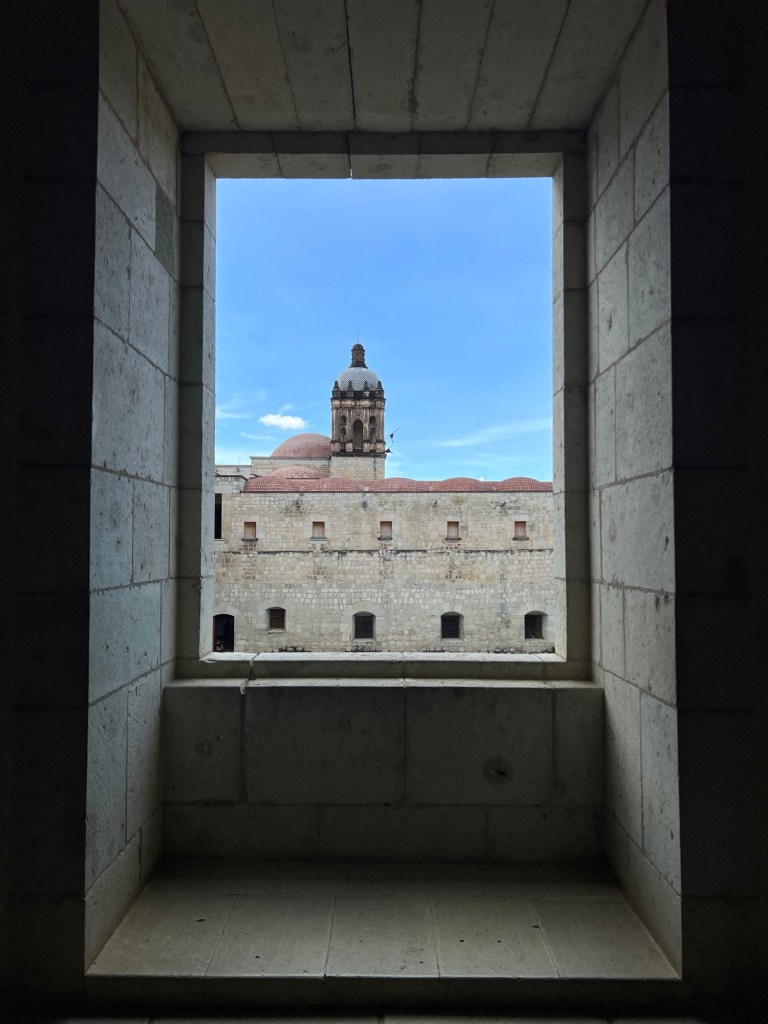
- Center and museums: Macedonio Alcalá, Santo Domingo, Museo de las Culturas, Textile Museum, San Pablo. Lunch at Casa Oaxaca.
- Churches and markets: Ethnobotanical garden (guided tours, book ahead), Cathedral, Zócalo, Basílica de la Soledad. Lunch at Benito Juárez market; ice cream at Chavita; dinner at Café Antique.
- Monte Albán: morning tour, then walk El Llano and Jalatlaco. Lunch at Tlayudas Doña Flavia; drinks at Txalparta or La Mezcalerita.
- Mitla and Tule: Mitla early, the giant Tule tree, Tlacochahuaya. Lunch at El Milenario.
- Hierve el Agua: petrified waterfalls; stay for sunset.
- Craft villages: mezcal in Santiago Matatlán, rugs in Teotitlán del Valle, black pottery in San Bartolo Coyotepec. Lunch at Restaurante Origen.
Must-eat: Tlayudas Doña Flavia (vegan, vegetarian and meat options), Casa Oaxaca (chef Alejandro Ruiz), Restaurante Origen. A cooking class is a great extra.
Shopping: El Huizache (regional clothing), La Casa del Rebozo (textiles), Mercado Benito Juárez (crafts and breakfast).
Puebla
Puebla is about 2 hours from Mexico City by bus and works as a 2-day stop on the way to Oaxaca.
- Historic center and cathedral, one of Mexico’s best-preserved colonial cores.
- Biblioteca Palafoxiana, the first public library in the Americas.
- Talavera pottery workshops and shops.
- Cholula: the huge pyramid with a church on top, 20 minutes away.
- Atlixco: a small flower town for a half-day trip.
- Food: mole poblano, cemitas, and chiles en nogada in season (roughly August–September).
Yucatán
Yucatán is the most relaxed region in the guide and is best reached by a domestic flight to Mérida. Plan 5–7 days, ideally with a rental car.
- Mérida: colonial capital, great food, evening events in the main square.
- Uxmal and Chichén Itzá: the major Maya sites; go at opening time to beat heat and crowds.
- Valladolid and Izamal: small colonial towns; Valladolid is a good base for cenotes and Ek Balam ruins.
- Cenotes: swim in natural sinkholes; pick a few less crowded ones.
- Celestún: flamingos in the mangroves.
- Ría Lagartos and Las Coloradas: more flamingos and the pink salt lagoons.
Travel essentials for international visitors
Most EU, UK, US and Canadian visitors need only a passport; the main risks are petty theft and night driving. Always check your own government’s travel advice before going (for Germans, the Auswärtiges Amt).
Entry
- Passport valid for the whole stay (6 months of validity is the safe rule); check visa rules for each nationality in the group.
- The FMM tourist permit is now digital at major airports such as Mexico City. For air arrivals the fee is included in the ticket; free for stays of 7 days or less. Keep your entry stamp or QR receipt until you leave. (mexpro, Wego)
- Have your return ticket and first accommodation address ready for immigration.
Safety by region
US State Department levels as of mid-2026 (summary):
- Yucatán (level 1): the most relaxed region.
- Mexico City, Oaxaca, Puebla (level 2): normal city precautions.
- Guerrero (level 4): borders the Oaxaca coast; don’t route through it or drive west of Puerto Escondido.
Everyday habits
- Use Uber or DiDi, or authorized taxis; at airports, buy a prepaid ticket at the official booth inside the terminal.
- Phone in a front pocket, especially on the Metro and in crowds; carry a small «daily» wallet and keep a second card elsewhere.
- Use ATMs inside banks or malls during the day; always choose to be charged in pesos.
- No driving after dark outside cities; prefer toll roads (cuotas).
- Hang up on unexpected calls claiming a relative or friend is in trouble («virtual kidnapping» scams), and don’t share plans with strangers.
- Watch your drinks and never buy drugs.
- Road blockades by protesters are common in Oaxaca; the new coast highway was blocked the day after it opened (Mexico News Daily). Leave buffer before flights.
Getting around
Times are approximate.
- Uber / DiDi: the safest default within cities; check the plate.
- Authorized taxis: prepaid booths at airports; in Oaxaca agree the price first.
- Metro (Mexico City): cheap by day; avoid rush hour and luggage.
- First-class buses (ADO, OCC, Estrella Roja): Mexico City to Puebla ~2 h, to Oaxaca ~6–7 h; book in the ADO app.
- Domestic flights: Volaris, Viva, Aeroméxico for the coast and Mérida; bags cost extra.
- Shuttles: Oaxaca City to Puerto Escondido ~3–4 h, about 500–700 MXN shared (guide).
- Rental car: good for Oaxaca valleys and Yucatán; full insurance, daylight only.
Money, phone, health
- Money: carry pesos in small notes for markets, taxis and tips; tip 10–15% in restaurants.
- Phone: a Telcel SIM or an eSIM; download offline Google Maps and Spanish for Google Translate. Many businesses work via WhatsApp.
- Health: travel insurance with medical evacuation; bottled or filtered water; busy street stalls are the safest bet; sunscreen and mosquito repellent; take it easy the first day at Mexico City’s altitude (about 2,240 m). Ask a travel clinic about hepatitis A and typhoid vaccines.
- Documents: keep the passport in the hotel safe and a photo or copy on you.
- Emergencies: 911 nationwide; save your embassy’s number.
Planning checklist
- ☐ Pick a route and fix dates and days per region
- ☐ Book transport between regions (buses, domestic flights, coast shuttle)
- ☐ Book accommodation, especially for festivals and the coast in high season
- ☐ Set a rough budget per person
- ☐ Book timed tickets ahead: the Frida Kahlo Museum sells out, and many museums close on Mondays
- ☐ Arrange travel insurance, a SIM or eSIM, and some pesos in cash
- ☐ Photograph your luggage contents and keep a short inventory
When to go: the dry season (about November to May) is easiest; the rainy season (about June to October) brings afternoon showers. Two festivals worth planning around: the Guelaguetza in Oaxaca (July) and Day of the Dead (31 October to 2 November), especially in Oaxaca and Mexico City. Book early for both.


Deja una respuesta